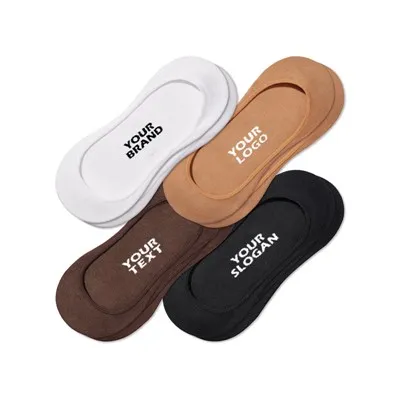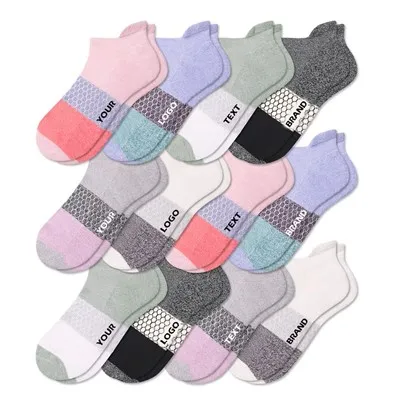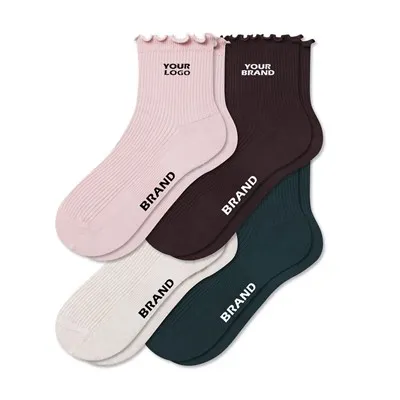
Yoga socks are common auxiliary equipment in yoga, Pilates, and other similar exercises. Their core function is to enhance stability during exercise through anti-slip design, while optimizing the wearing experience through material selection. Unlike traditional cotton socks, yoga socks need to balance breathability, grip, and foot support, making them especially suitable for barefoot exercise or situations requiring extra protection, such as health massage, fitness, and body shaping.
Most mainstream yoga socks are made of pure cotton. The natural fiber properties of cotton give it the advantages of moisture-wicking, breathability, and softness, making it suitable for use in spring, autumn, winter, or indoor air-conditioned environments. To enhance anti-slip performance, the sole usually features a double-sided anti-slip design, using silicone particles or rubber dots to increase friction and prevent foot slippage during exercise, which could lead to deformation or injury. Some products use a large-mesh knitting process, which reduces the weight of the sock and improves foot breathability, reducing stuffiness after prolonged exercise. In addition, the Y-shaped heel design uses a three-dimensional cut to conform to the foot's curve, reducing sock shifting during exercise and improving stability.