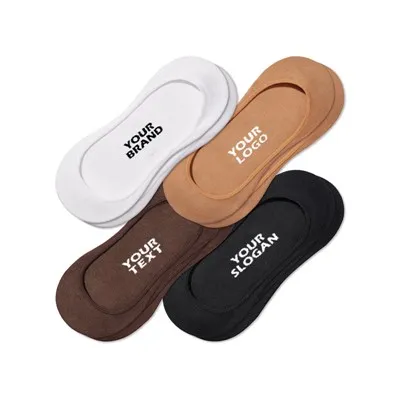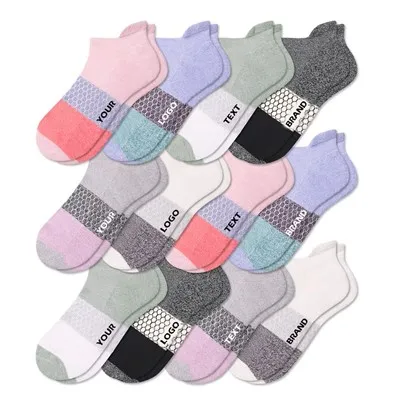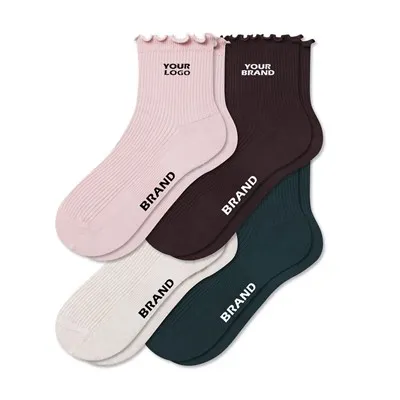
The socks you wear during exercise should be chosen according to the type of exercise. Suitable socks will reduce sports injuries and enhance exercise results.
When running, your feet tend to sweat. When choosing running socks, first, choose pure cotton socks that are absorbent and breathable. Second, pay attention to the stitching at the toe; it should be straight to prevent chafing. Finally, the socks should ideally be snug at the midsection to prevent them from slipping down and affecting your movement.
Yoga exercises primarily focus on flexibility and balance, and are generally practiced barefoot. In public places like gyms, where there are many people coming and going, combined with sweaty feet, it's easy to accumulate bacteria. It's best to wear soft cotton socks with anti-slip textured soles and high absorbency.
When hiking, it's important to keep your feet firmly planted on the ground, so the anti-slip properties of your socks are crucial. The heel of the sock should ideally be thicker to reduce the impact on the ankle when landing, protecting the ankle joint.
In general, there are five principles to follow when choosing sports socks. First, the socks should be made of pure cotton and have good sweat absorption. Second, they should be elastic and not feel tight or chafing. Third, the thickness and length of the socks should be moderate, chosen according to individual circumstances. Generally, people whose feet sweat easily should choose slightly thicker socks, and vice versa. Fourth, the socks should have good slip resistance; avoid nylon and blended materials. Fifth, if there is an ankle injury, thicker socks should be worn to protect the ankle.